
Updated October 19, 2026 · Reviewed by Dr. S. Bairagi
Piles — called bawasir in Hindi — are one of the most common problems we see at Tarun Clinic in Darbhanga. Everyone has small cushions of blood vessels (haemorrhoids) in the anal canal. They only become a problem when they swell, bleed or come out. The good news: piles that are caught early are usually simple to manage, often without any operation.
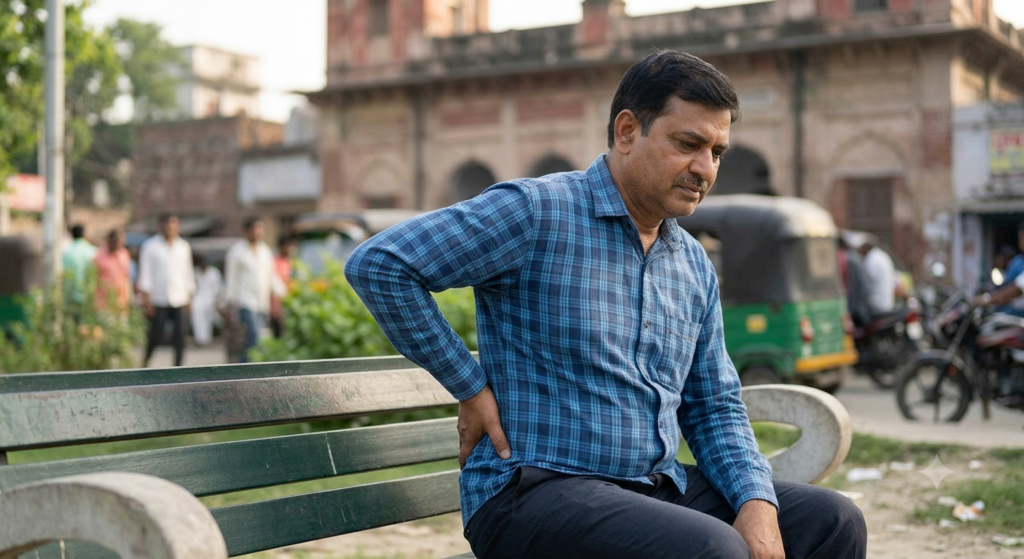
Early signs of piles
- Bright red blood on the stool, toilet pan or tissue after passing stool
- Itching or irritation around the anus
- A soft lump near the anus, especially after straining
- Pain or discomfort while sitting or passing stool
- A feeling that the bowel has not emptied fully
- Mucus or wetness around the anus
Bleeding piles are often called khooni bawasir, and swollen piles without bleeding badi bawasir. Both are treated the same way in the early stages.
Why piles happen
The main cause is extra pressure on the veins of the lower rectum. In everyday life this comes from:
- Constipation and straining on the toilet
- Low-fibre food and too little water, especially in Bihar’s hot summers
- Sitting for long hours: drivers, shopkeepers, students and office workers
- Lifting heavy loads
- Pregnancy
- Being overweight and not exercising
Simple home care that helps
For mild piles, these daily habits often make a big difference within a few weeks:
- Drink 8–10 glasses of water a day. Hard stool is the biggest trigger.
- Eat more fibre: green vegetables, dal, fruits such as papaya, guava and banana, and whole-wheat roti instead of maida.
- Don’t strain or sit long on the toilet. Leave the phone outside.
- Take a warm sitz bath: sit in a tub of warm water for 10–15 minutes, two or three times a day, to ease pain and itching.
- Walk every day, and get up every hour if your work keeps you sitting.
- Cut down on very spicy food, fried snacks, tea and alcohol while symptoms last.
Avoid buying random ointments or “one-dose cure” medicines from roadside sellers. They may hide the symptoms for a while without treating the cause.
When to see a doctor
See a doctor if home care hasn’t helped within one to two weeks — or straight away if you notice any of these:
- Heavy bleeding, or bleeding every time you pass stool
- Black or dark red stools
- Severe pain, or a hard and very painful lump
- A change in bowel habits, weight loss or constant tiredness
- Bleeding for the first time after the age of 40
- Pus or discharge near the anus — this may be a fistula (bhagandar) rather than piles
Bleeding from the back passage is not always piles. A short, private examination is the only way to know for sure, and it is quick and usually painless.
Can piles be treated without an operation?
In many cases, yes. Early piles (grade 1 and 2) and many grade 3 cases improve with Ayurvedic medicines, diet and the habits above. Piles that stay outside the anus (grade 4) or have complications may need a procedure. At Tarun Clinic, Dr. S. Bairagi examines you first and tells you honestly which option suits your stage. Read more about piles treatment in Darbhanga.
Frequently asked questions
Do piles go away on their own?
Mild piles can settle within days or weeks once constipation is corrected. If symptoms keep coming back or the bleeding continues, see a doctor.
Is it safe to eat spicy food with piles?
Very spicy food can increase burning and irritation for some people. Cut down while you have symptoms and focus on fibre and water.
Can young people get piles?
Yes. Long sitting hours, low water intake and junk food mean piles are now common in people in their twenties and thirties.
Need advice? Tarun Clinic is at Kadirabad Chowk, near the old bus stand and HDFC ATM, Darbhanga. Open Monday to Saturday, 10 AM – 2 PM. Call 99312 32167 or request a call back.